How to Prevent Light Pollution
Artificial Light Sources – A Problem for People and Wildlife
A well-lit garden or entrance doesn't have to come at the expense of the night sky, insects, or your neighbors. Light pollution happens whenever artificial light falls where it isn't actually needed — upward into the sky, beyond the property line, or simply brighter and longer than necessary. With the right fixture, orientation, and controls, it's easy to avoid.
What Exactly Is Light Pollution?
Light pollution occurs when artificial light spreads undirected into the surroundings or the night sky, instead of illuminating a specific area on purpose. The consequences: a brightened night sky in which barely any stars remain visible, disrupted rest for birds and other animals, and a noticeable impact on nocturnal insects, which are drawn to bright or cool-white light and often weakened or killed as a result. Not least, unnecessary light also means unnecessary energy use.
Five Principles for Responsible Outdoor Lighting
These five principles, formulated among others by international dark-sky initiatives, are a good guide for any outdoor fixture:
- Useful: Only light what actually needs to be lit — paths, steps, or the entrance area, for example.
- Targeted: Direct the light where it's needed. Shielded fixtures that shine downward rather than sideways or upward prevent stray light.
- Not too bright: Use only as much light as necessary — often far fewer lumens than you'd initially assume (see also our article Brightness of Outdoor Lights: How Much Light Is Enough?).
- Controlled: Light should only be on when it's needed — with a timer, motion sensor, or dusk-to-dawn sensor instead of continuous operation.
- Warm-colored: The warmer the light color, the lower its blue content — and the less disruptive it is to insects, birds, and the night sky.
Practical Tips for Garden and Entrance Lighting
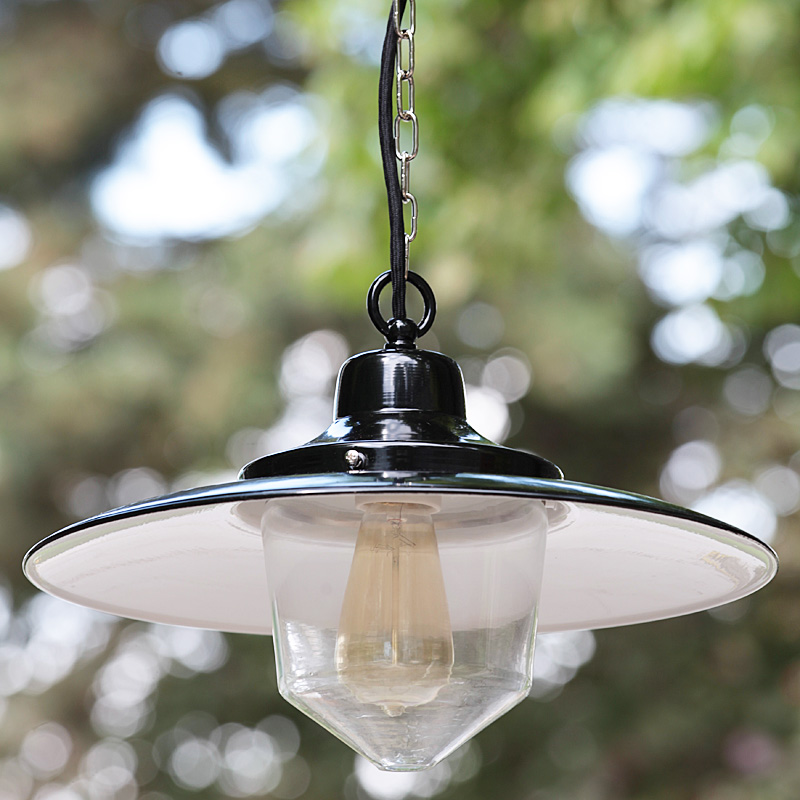
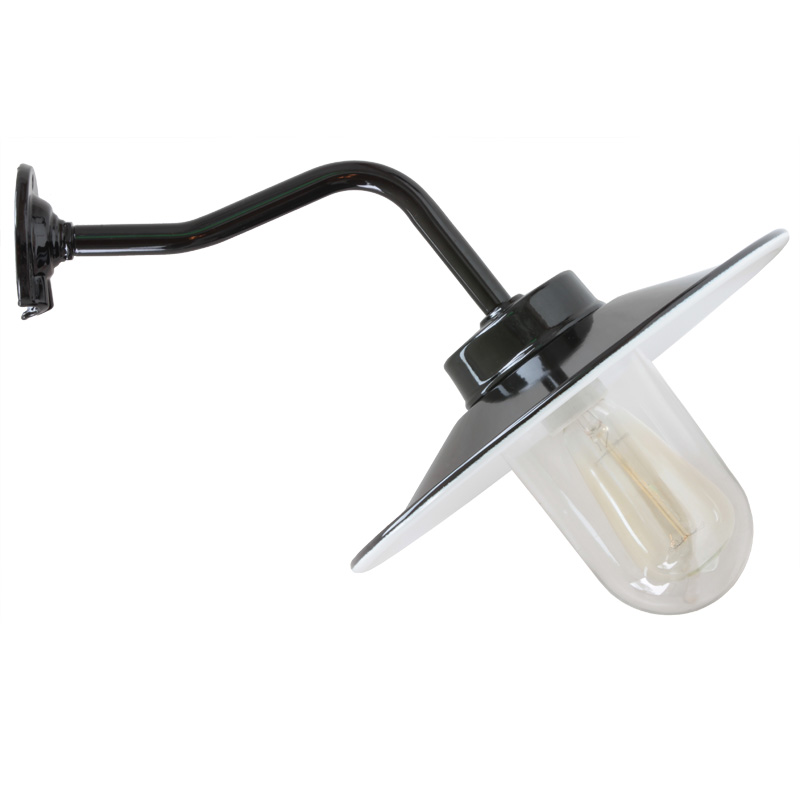
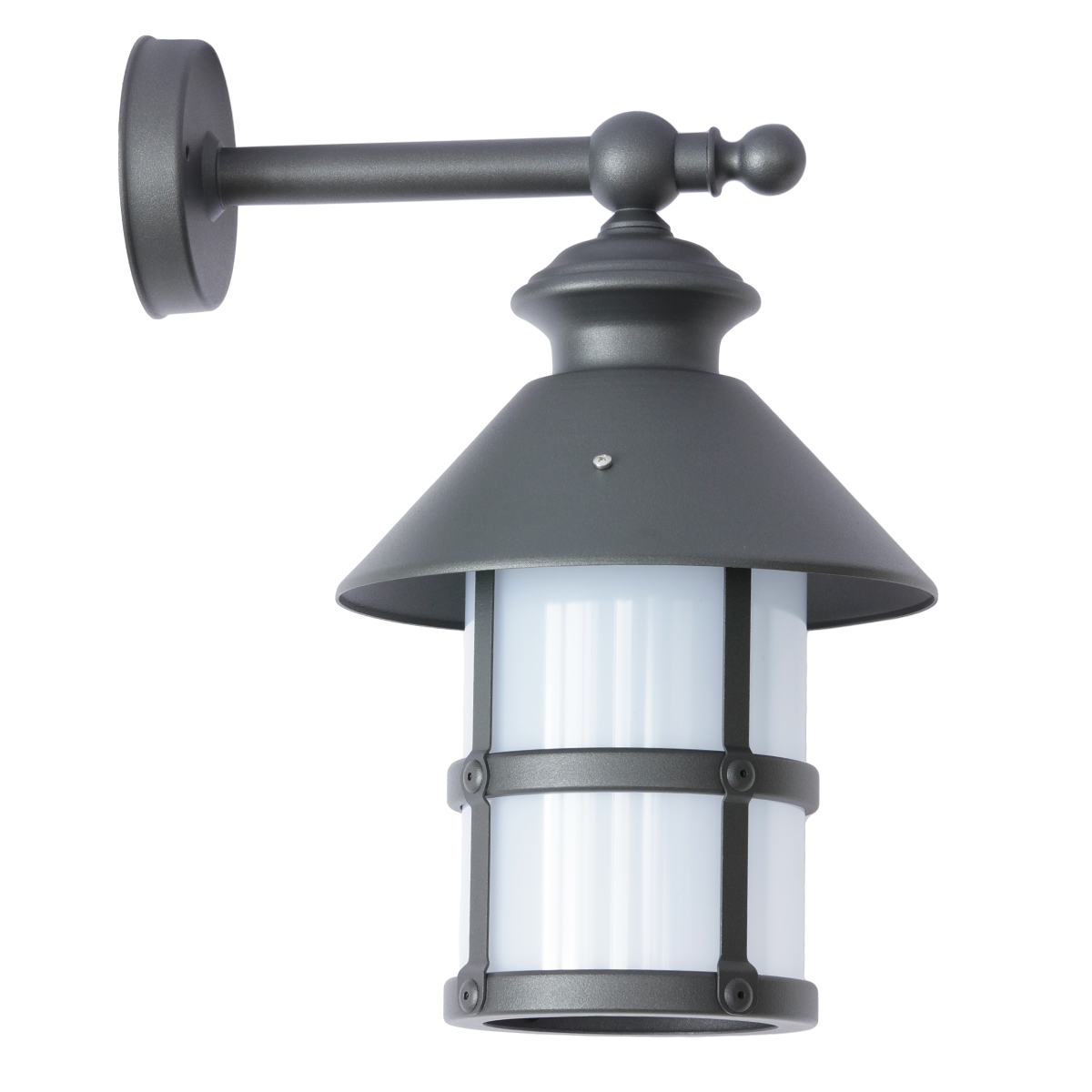
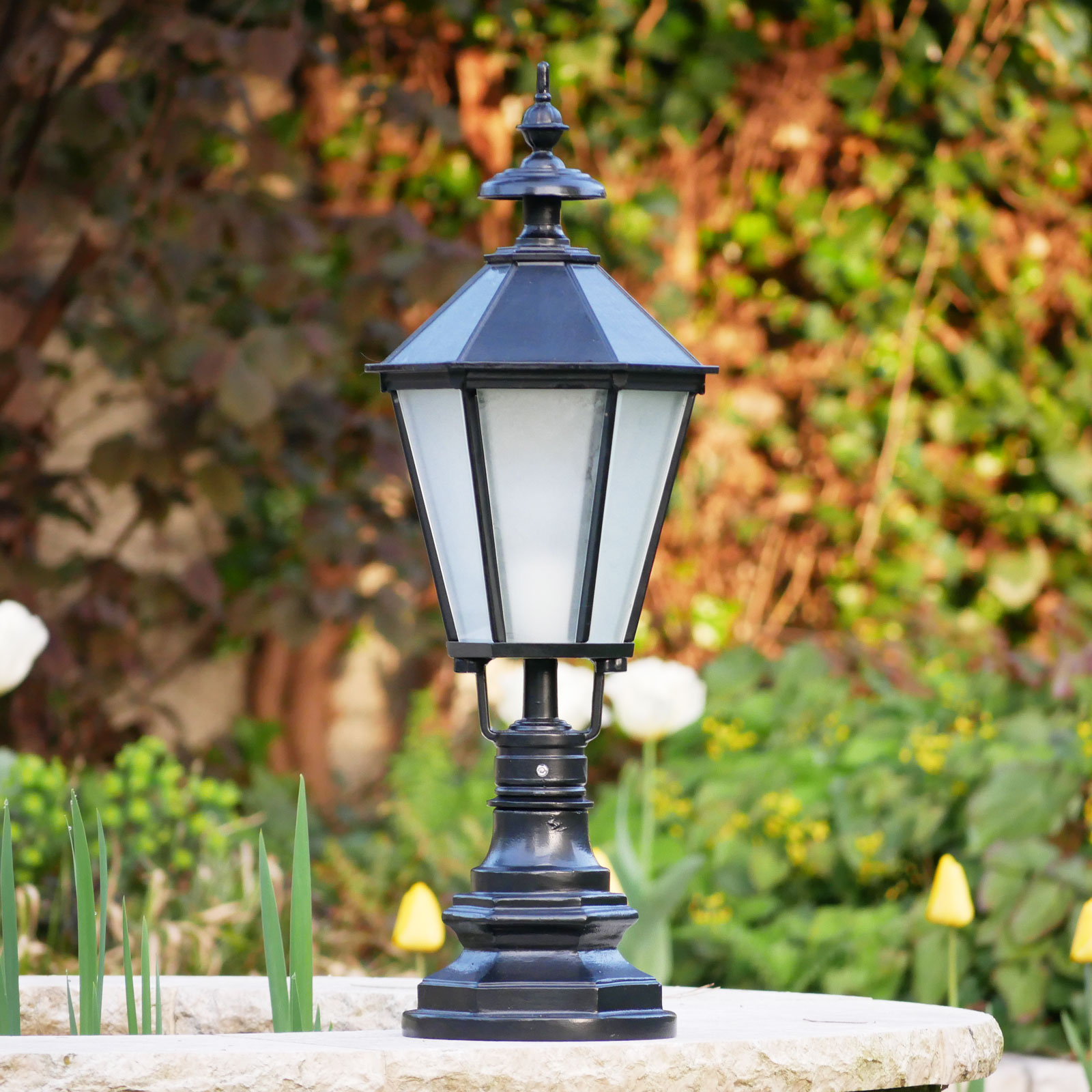
- Choose fully shielded fixtures: Models that are closed at the top and sides and direct light exclusively downward all but eliminate stray light.
- Go for warm white light: Bulbs below 3,000 Kelvin feel cozier and are significantly more insect-friendly than cool-white or bluish light.
- Use motion sensors and timers: That way, light only comes on when someone is actually walking the path or standing at the door.
- Don't uplight trees or the sky directly: Uplighting into tree canopies disturbs nesting birds and harms moths — choose subtle, downward-directed accent lighting instead.
- Only light areas that are actually used: A continuously lit lawn or façade without a clear purpose rarely adds value, but does cost energy and disturb the surroundings.
- Think of your neighbors: Position and aim fixtures so no light falls directly into neighboring windows or onto the street.
Why It's Worth It
Insects navigate at night by moonlight and starlight; bright, cool-white artificial light in residential areas distracts them, lures them into fatal traps, and so contributes to insect decline. Migratory birds can lose their bearings around brightly lit façades and skies. And not least: a garden lit purposefully rather than uniformly almost always feels more atmospheric than one drenched entirely in light.
Our Tip
Lighting less, but more precisely, is usually the better choice: a warm-white, shielded path light with a motion sensor often does more for both safety and atmosphere than several bright floodlights running continuously — while sparing the night sky, local wildlife, and your electricity bill alike.